

Can't find the specification you are looking for?

What are the primary considerations when selecting masking tape for high-temperature processes like powder coating or anodizing?
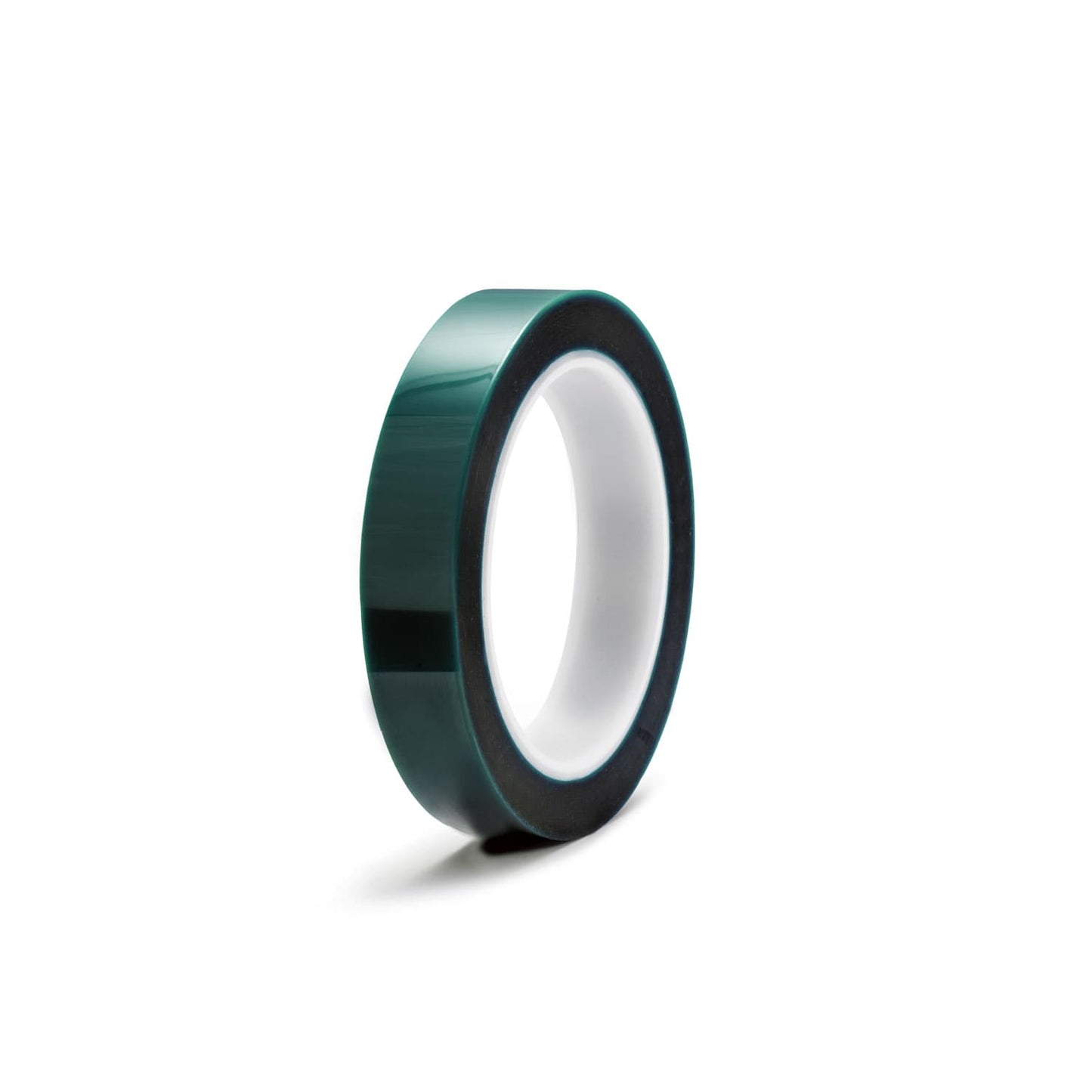
The most critical factor is temperature resistance. Polyester tapes typically withstand temperatures up to 218°C (425°F) for about an hour, making them suitable for many powder coating applications. For more extreme conditions, glass cloth tapes can endure up to 290°C (554°F), while silicone-based masks and plugs offer superior resistance, often up to 316°C (600°F). The specific process temperature, duration, and desired clean removal without residue dictate the appropriate material choice.
How do material composition and adhesive type impact masking tape performance in surface finishing?
Masking tapes for surface finishing typically utilize polyester or glass cloth backings with silicone adhesives. Polyester offers good conformability and high-temperature resistance, while glass cloth provides exceptional strength and temperature endurance for heavy powder coating or media blasting. Silicone adhesives are preferred due to their ability to withstand high temperatures without degrading or leaving residue, unlike rubber or acrylic adhesives which may break down above 150°C (302°F).
Can custom die-cut tapes or molded masks improve efficiency and precision in industrial masking operations?
Absolutely. For mid-to-high volume production lines, custom die-cut tapes eliminate manual cutting, significantly speeding up application and ensuring consistent, precise masking lines. Custom molded silicone masks are ideal for complex geometries, such as threaded holes or intricate components, offering tight tolerances and faster application/removal. These solutions reduce labor costs, minimize rework, and enhance overall product quality.
What are the best practices for masking threaded holes to prevent coating ingress?
For threaded holes, silicone masking plugs are highly effective. Tapered plugs are typically used for blind holes, providing a secure seal against coating penetration. Pull plugs are designed for through holes, offering easy insertion and removal. Ensure the plug size matches the thread diameter for a snug fit. The high-temperature resistance of silicone ensures the plugs maintain their integrity throughout the curing process.
What is the typical reusability of silicone masking caps and plugs, and what factors affect their lifespan?
Silicone masking caps and plugs are often reusable, with customers typically reporting 10-20 uses. However, their longevity is influenced by several factors: higher curing oven temperatures and longer dwell times will reduce reusability. The cleaning method employed for the caps/plugs also plays a significant role; proper cleaning can extend their life. It is recommended to test samples under your specific process conditions to determine optimal reuse cycles.
How can powder buildup (bridging) around masking components be prevented?
Powder buildup, or bridging, around masking caps and plugs can be mitigated by using custom-designed masks that incorporate a flange or 'skirt' around the grounding area. This design acts like an umbrella, deflecting powder and preventing it from accumulating at the mask's edge. Such custom solutions ensure a clean transition line and reduce the need for post-coating cleanup, improving efficiency and finish quality.
What are the advantages of using conductive silicone masking components?
Conductive silicone masking components are crucial when a part needs to be hung for coating using the masking element itself, without compromising electrical grounding. By adding carbon black to the silicone, these components become conductive, allowing them to act as the grounding point for the part. This ensures proper electrostatic application of powder coating, preventing Faraday cage effects and ensuring a uniform finish, especially in hard-to-reach areas.